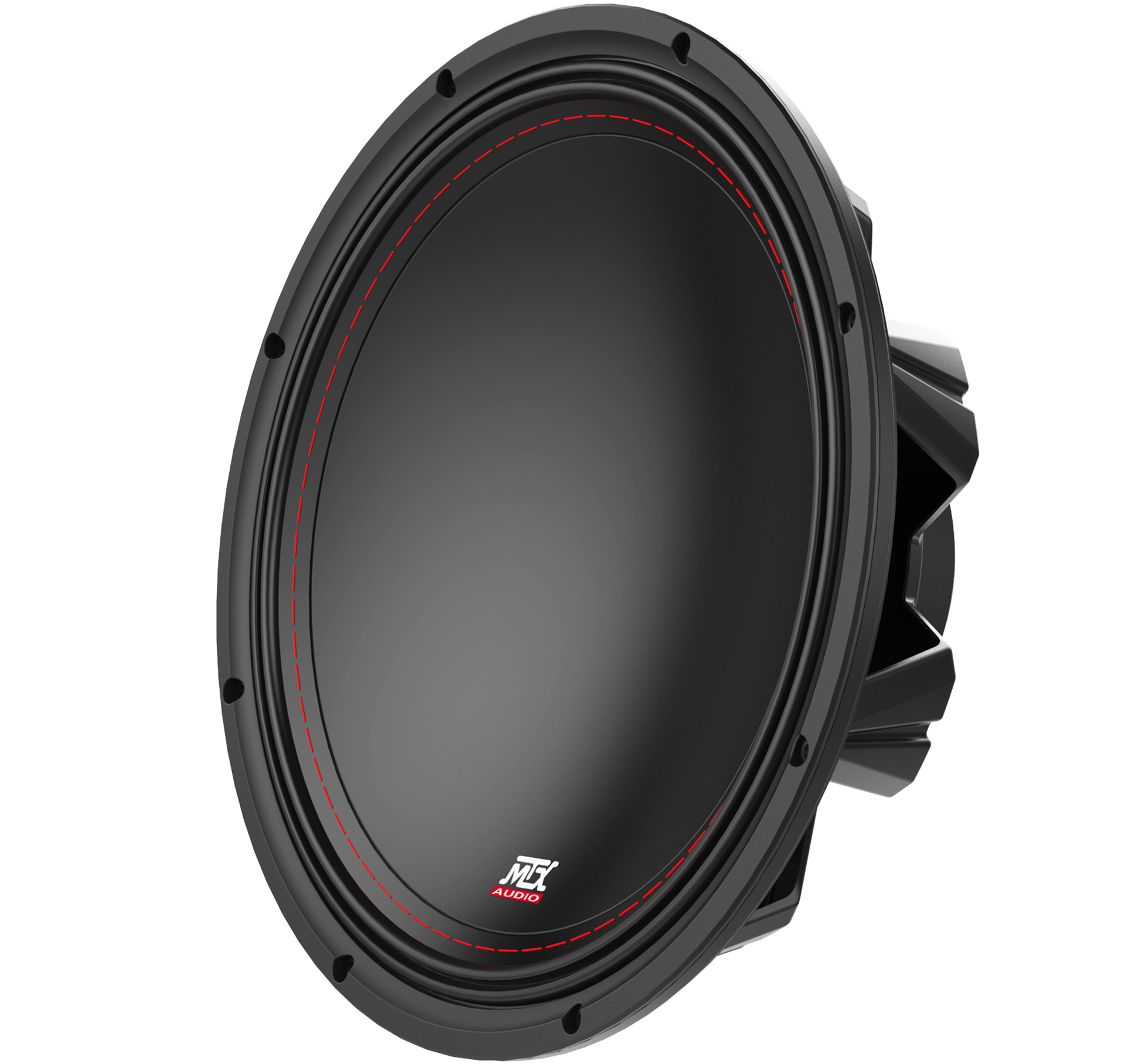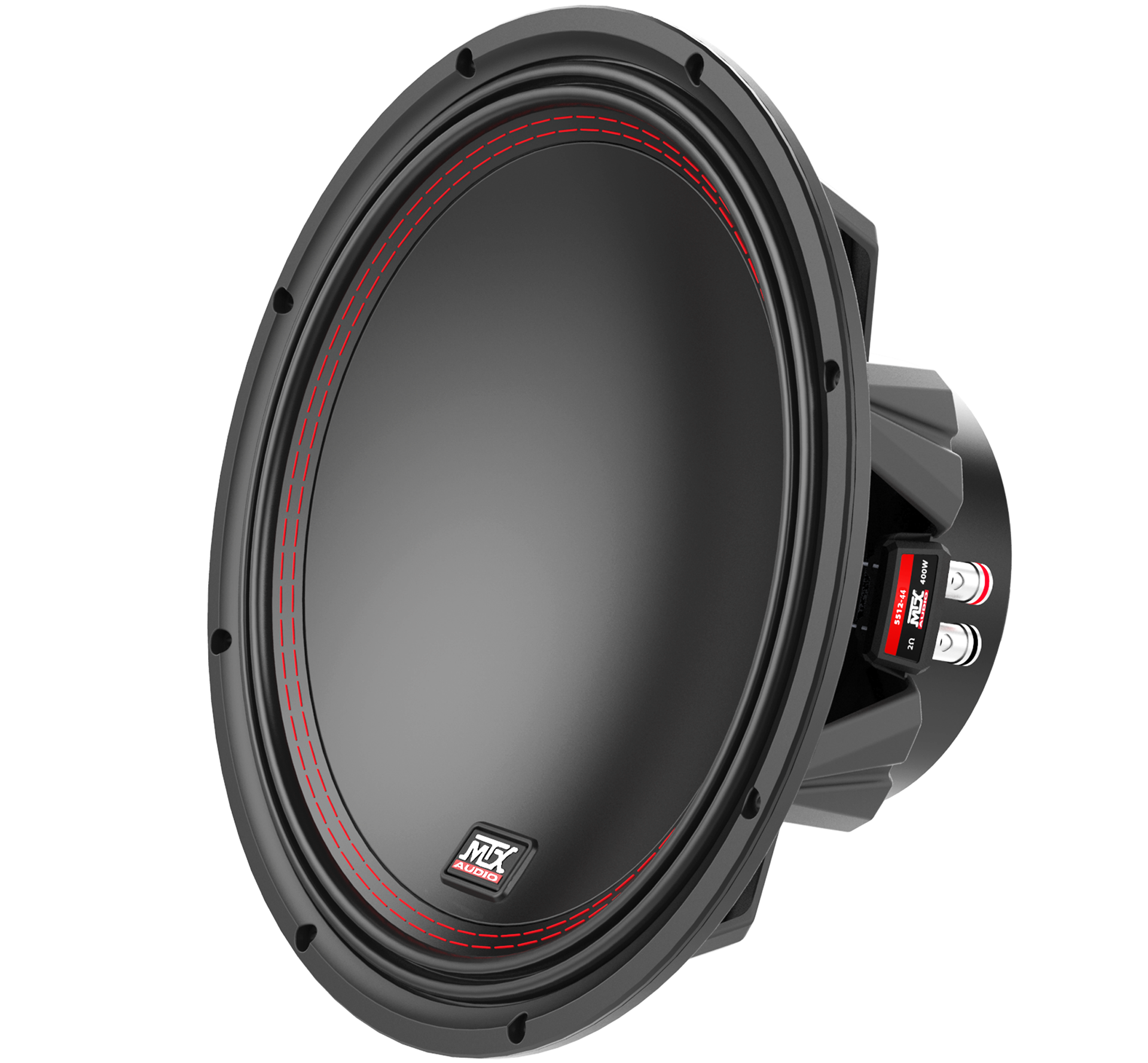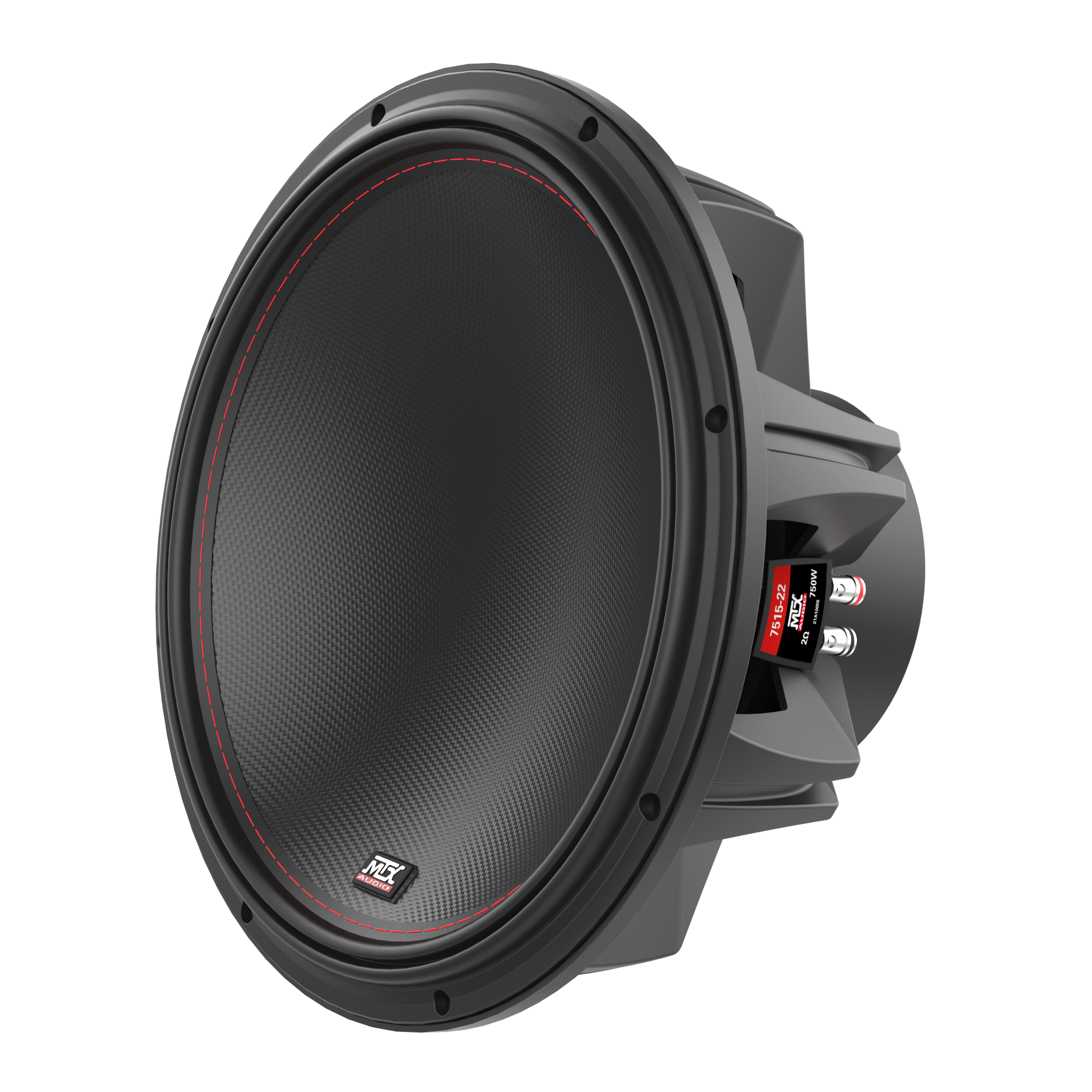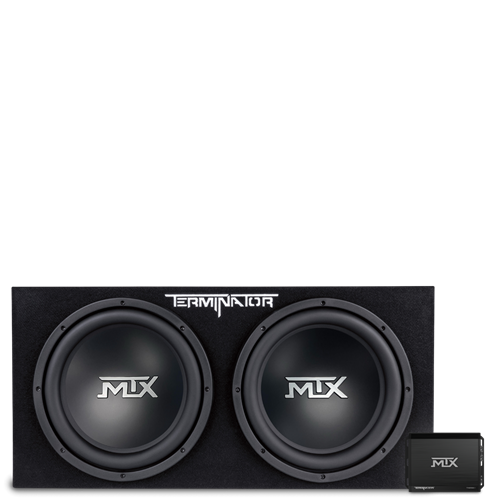
If you are new to car audio, choosing the right subwoofer can seem like a challenge with so many options out there. The easy route is to choose a loaded and amplified subwoofer package where the sub, amp, and enclosure are already matched. But if you want the performance or custom design of a component sub, this guide walks you through every decision.
Common Misconceptions
Step 1: Know Your Budget
Your budget needs to cover the full system, not just the subwoofer. Factor in the cost of an appropriately sized amplifier, the enclosure, and a wiring kit. If you're building a high-power system, you may also need electrical upgrades such as a high-output alternator or additional battery capacity.
Step 2: Define Your Goal
What are you actually trying to achieve? The answer shapes every decision that follows.
- SPL competition — maximize raw output. Prioritize power handling, sensitivity, and volume displacement. Enclosure tuning becomes critical.
- Daily driver upgrade — add bass and impact to your music without dominating the interior. A 10" or 12" in a sealed or ported enclosure with a matched amp handles this well.
- Sound quality — accurate, tight bass that integrates cleanly with your speakers. Sealed enclosures and controlled Xmax matter more than raw power.
- Factory system upgrade — you just want more bass than the stock speakers can produce. A modest sub and amplified enclosure package is often the simplest solution.
Step 3: Measure Your Space
Measure the height, width, and depth of the available space before you buy anything. The sub itself can be large and heavy, and once it's mounted in an enclosure it takes up significantly more room. Confirm both that an enclosure will fit in the space and that the sub will fit through the opening to that space.
If you're building a custom enclosure, verify that it can be built to the volume specified for the subwoofer. Running a sub in the wrong enclosure volume is one of the most common reasons a system doesn't sound right.
Step 4: Understand the Key Specs
Pay attention to RMS power ratings, not peak or max ratings. RMS measures continuous power handling and is the only figure that matters for matching your sub to an amplifier. Make sure the sub's RMS rating aligns with what your amp can actually deliver at your wiring impedance.
Sensitivity measures how loud a sub plays at a given input power, usually expressed in dB at 1W/1m. A sub with higher sensitivity produces more output from the same amplifier power. When comparing subs, look at both power handling and sensitivity together — a high-sensitivity sub can outperform a higher-wattage option if it converts power into output more efficiently.
Frequency range gives you an idea of how low a note the sub can reproduce accurately. Keep in mind that actual performance depends heavily on the enclosure type, volume, and port tuning. The specification is a starting point, not a guarantee.
Sealed enclosures produce deep, accurate bass across a broader range and are more forgiving of box volume. Ported enclosures produce more output at a specific tuned frequency — more impact, less accuracy. The right choice depends on your music preferences and goals. See our subwoofer series guide for more on enclosure recommendations by series.
Dual voice coil subwoofers give you more wiring options, especially in single-sub setups where you need to reach a specific impedance to get full power from your amplifier. They do not handle more power or sound better than a single voice coil sub with equivalent specs. See the single vs dual voice coil guide for a full comparison.
Larger subs generally move more air and produce more output at equivalent power levels. But a properly powered and correctly enclosed smaller sub will beat a larger sub that is underpowered or in the wrong box every time. Choose size based on available space and then match your amplifier accordingly.
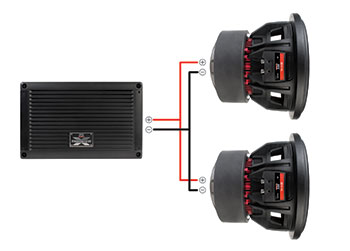
Subwoofer power ratings are calculated at a specific impedance. It is critical to ensure your wiring configuration presents the right impedance load to your amplifier so it delivers the correct power. Use the MTX resistance calculator to verify your wiring before you connect anything. See also: Subwoofer impedance matching guide.
Volume displacement is the amount of air a subwoofer moves per cycle — calculated by multiplying cone surface area by Xmax. Think of it as the subwoofer equivalent of engine displacement. Two subs with identical wattage ratings can have very different volume displacement figures, which is why wattage alone doesn't tell the whole story. MTX's Inverted Apex Surround design increases both cone area and Xmax to maximize volume displacement.
Step 5: Match Your Amplifier
Once you've chosen your sub, match it to an amplifier that delivers its rated RMS power at the impedance your wiring will present. For example, if your amplifier is rated at 500W RMS at 2 ohms and 250W at 4 ohms, and your subwoofer is rated at 500W RMS, you need to wire your sub so the amplifier sees a 2 ohm load.
The number of subwoofers, their voice coil configuration, and how you wire them all determine your final impedance. For wiring diagrams covering every combination of single and dual voice coil subs, visit the MTX wiring diagrams library.