Replacing your factory speakers is the single most effective upgrade you can make to a car audio system. Factory speakers are built to a cost, not a standard — polypropylene gets swapped for paper, the magnet shrinks, and the voice coil is sized for cost efficiency rather than output. A decent set of budget aftermarket speakers will sound noticeably better than what came in the car from day one.
This guide covers the four speaker types you will encounter, what to look for at the budget level, and which MTX speakers deliver the most for your money.
Step One: Know Your Speaker Type
Before you shop, you need to know what kind of speaker your build needs. There are four main types and they are not interchangeable.
Woofer and tweeter in one basket with an internal crossover. The easiest and most affordable way to replace factory speakers. Works with a factory head unit or amplifier. Best for straightforward upgrades where you want better sound with minimal installation time.
Separate woofer, tweeter, and external crossover. The tweeter mounts higher in the door or A-pillar for improved sound imaging. Takes longer to install but sounds significantly better than coaxial at the same price. Works with a factory head unit or amplifier.
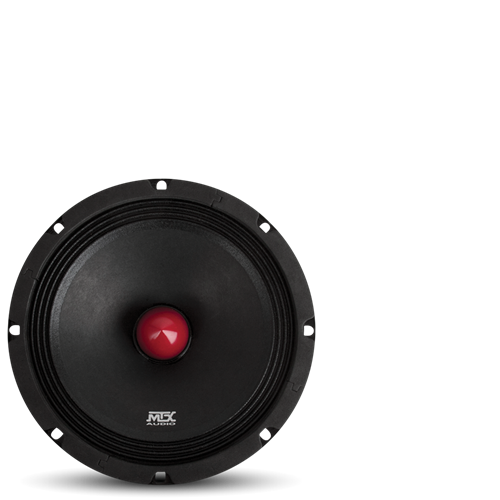
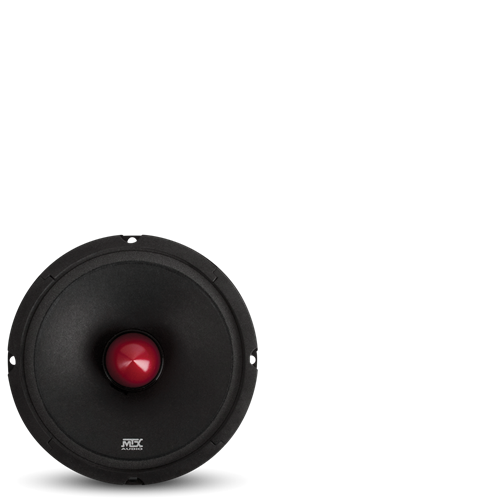
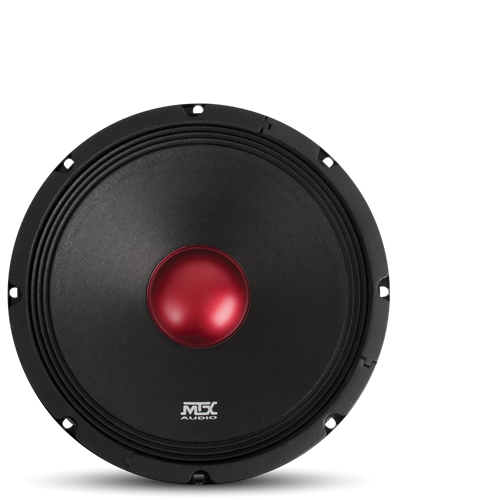
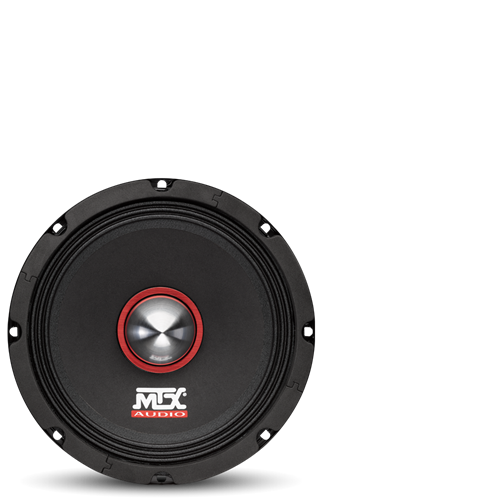
A dedicated woofer with no tweeter, designed to handle midrange and upper bass frequencies. Used in advanced builds with separate tweeters and subwoofers. Requires an amplifier and external crossover. Not a direct factory replacement.
A standalone high-frequency driver paired with a mid-bass driver in custom builds. Handles significantly more power than the tweeters found in coaxial or component sets. Requires an amplifier and external crossover.
What to Look For
Use RMS only for comparison. Budget speakers rated 30–60W RMS work fine on a factory head unit. Higher RMS ratings make sense when paired with an amplifier. Peak and max figures are marketing numbers, not performance specs.
Polypropylene cones are durable, moisture resistant, and the standard for quality budget speakers. Paper cones degrade with heat and humidity. Avoid any speaker that does not specify cone material.
A wider frequency response means the speaker reproduces more of the audio spectrum. For coaxial speakers without a subwoofer, pay attention to the low end. A speaker that plays down to 60Hz will have more bass presence than one that bottoms out at 90Hz.
Sensitivity measures how loud a speaker plays at a given power level. Higher sensitivity means more output from the same watt, which matters for factory head unit installations where available power is limited. Look for 88dB or higher at the budget level.
Budget speakers need to physically fit in your doors and panels. Always check the mounting depth against your vehicle's available clearance before purchasing. Shallow-mount options exist for vehicles with limited depth behind the speaker location.
In coaxial speakers, the tweeter makes the biggest difference in perceived sound quality. Look for tweeters with a proper material call-out: silk dome, Teteron, or titanium, rather than a generic "balanced dome tweeter" with no specification.
Avoid speakers that list only peak power, use paper cones, or do not publish frequency response and sensitivity specs. Also avoid 3-way and 4-way coaxial speakers at the budget level. Adding more cones to a cheap driver does not improve sound quality and often degrades it. A quality 2-way coaxial will outperform a cheap 3-way every time.
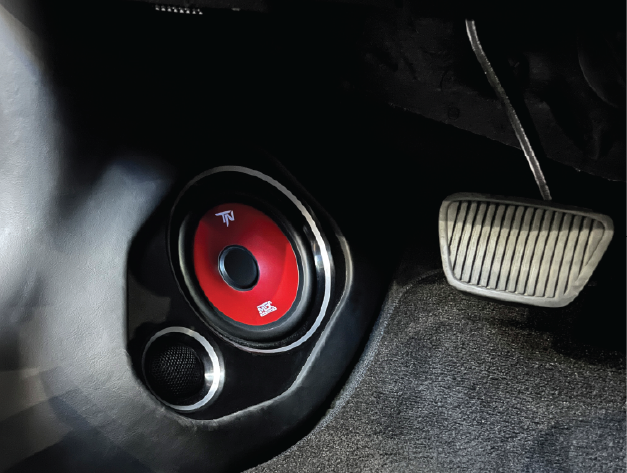
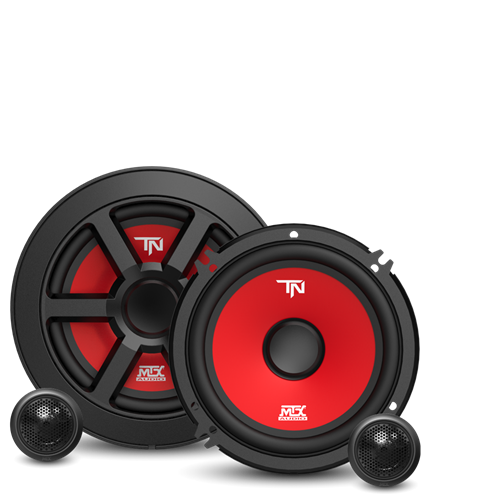
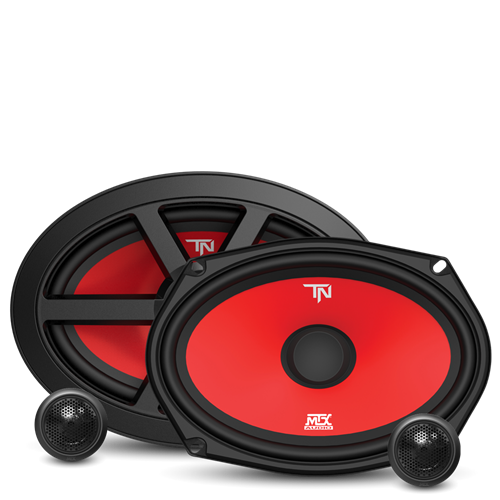
MTX Terminator Speakers — Best Budget Coaxial & Component
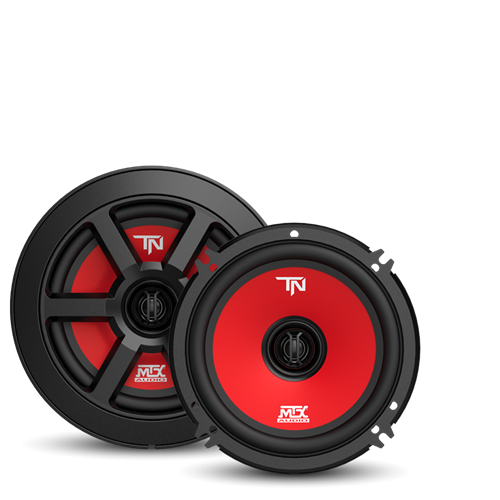
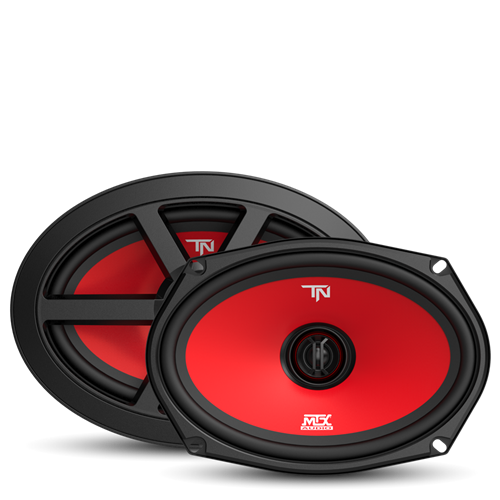
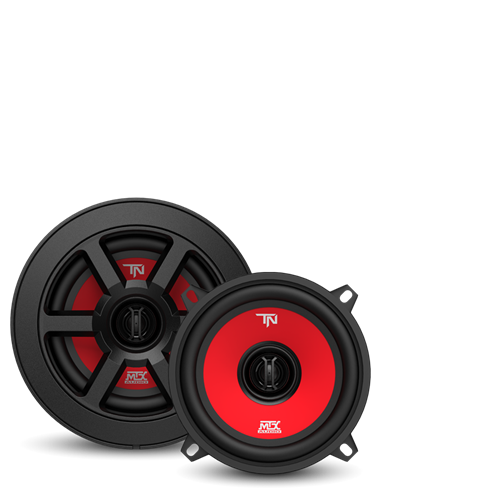
The MTX Terminator speaker line covers the widest range of factory replacement sizes in the budget category, from 3.5 inches up to 6x9. Both coaxial and component options are available. All use polypropylene cones and are built to work with factory head units or amplifiers. Most models come in well under $100.
MTX RTX Series — Best Budget Mid-Bass & Tweeters
The MTX RTX Series is built for custom installs that need dedicated drivers for each frequency range. Mid-bass drivers handle the midrange and upper bass, while the RTX3 bullet tweeter handles the high end. These are not factory replacements. They are for builders putting together a multi-driver system with separate amplification. All come in under $120.