How Do Sound Waves Work in Audio Equipment? | MTX Audio

How Do Sound Waves
Work in Audio Equipment?

Sound is a vibration that propagates as an acoustic wave through a transmission medium such as a gas, liquid, or solid. Understanding how sound waves are created and how they travel through your audio system helps you make better decisions about the components you choose and how you set them up.
How do sound waves work in audio equipment

What Are Sound Waves?

What are sound waves

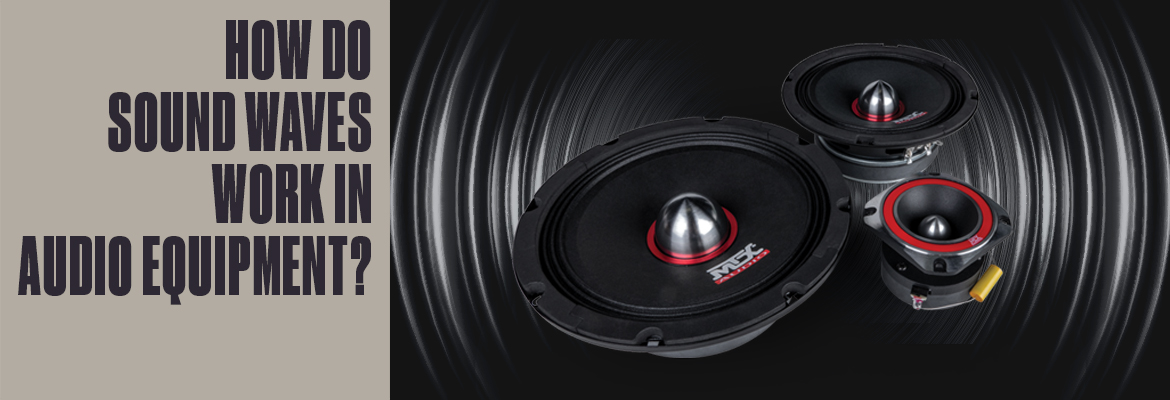
Sound waves are the pattern of disturbance caused by the movement of energy traveling through a medium such as air, water, or a solid. They are produced by object vibrations that create pressure waves. Those pressure waves cause particles in the surrounding medium to vibrate in turn, carrying the sound outward from its source.

Not all sound waves are created equal. Each has different frequencies and amplitudes depending on the source. When it comes to audio systems, these frequency variations are constantly changing as music plays — which is exactly what makes music complex and interesting to listen to.

The sound waves produced by speakers and subwoofers are called longitudinal waves. They travel directly from the speaker cone outward toward the listener, with air molecules compressing and expanding in the same direction the wave is moving.

How Your Audio Signal Travels Through the System

From the moment you press play to the moment sound reaches your ears, your audio signal passes through several stages. Each stage shapes the final sound you hear.

Source
Phone / Media Device
Stores and outputs the original audio signal
Head Unit
Receiver / Radio
Receives the signal and passes it at line level
Amplifier
Amp
Boosts the signal to drive speakers
Output
Speakers & Subs
Convert electrical signal into sound waves

The original signal from your media device is sent to the receiver in your head unit, then passed to the amplifier at a very low signal strength called line level. Once the amplifier receives that line level signal, it amplifies it into a higher output signal strong enough to power subwoofers, speakers, and supporting components — creating sound waves substantial enough to produce adequate output for the listener.

How Sound Waves Are Produced by Speakers
How are sound waves produced by speakers

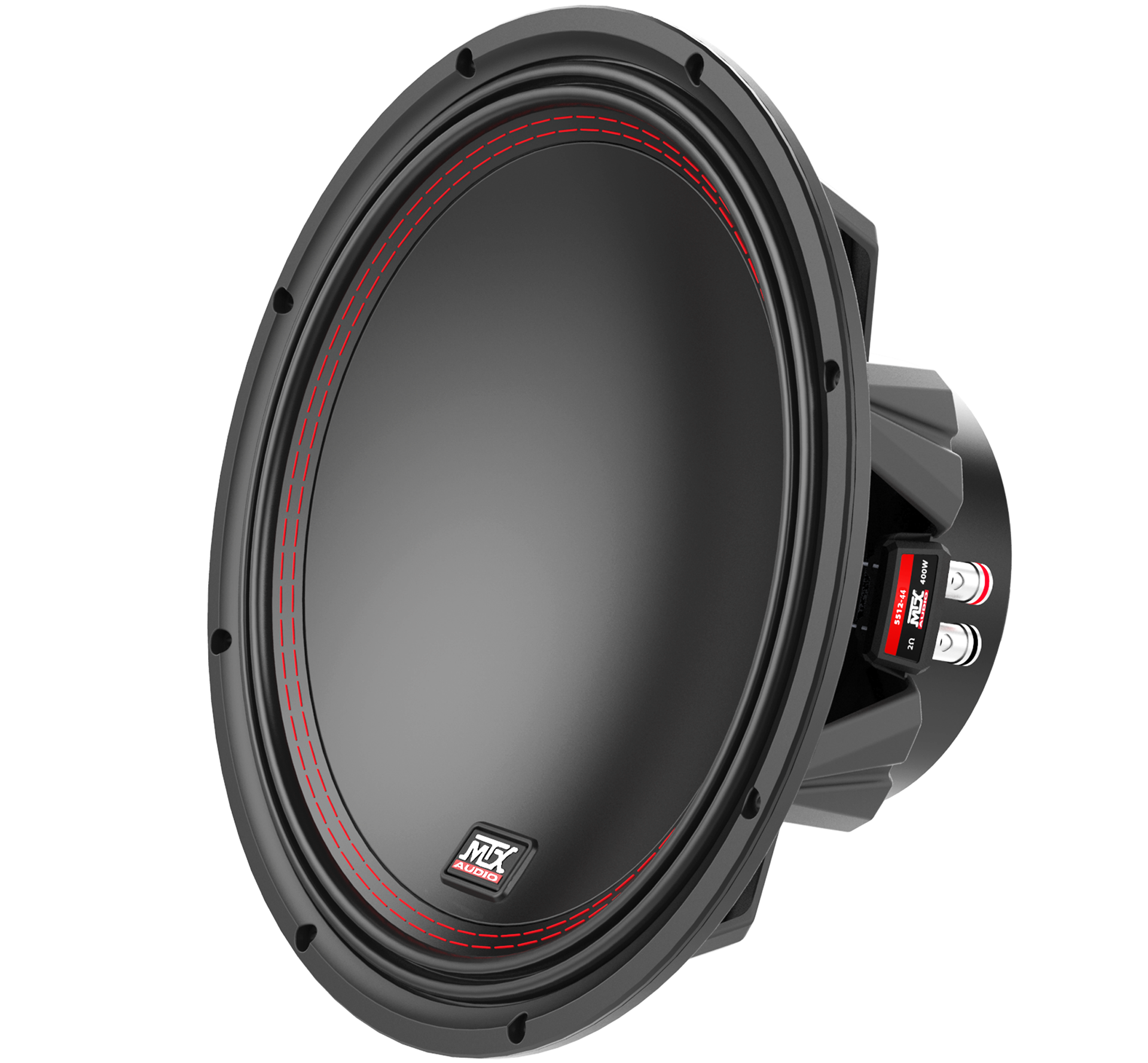
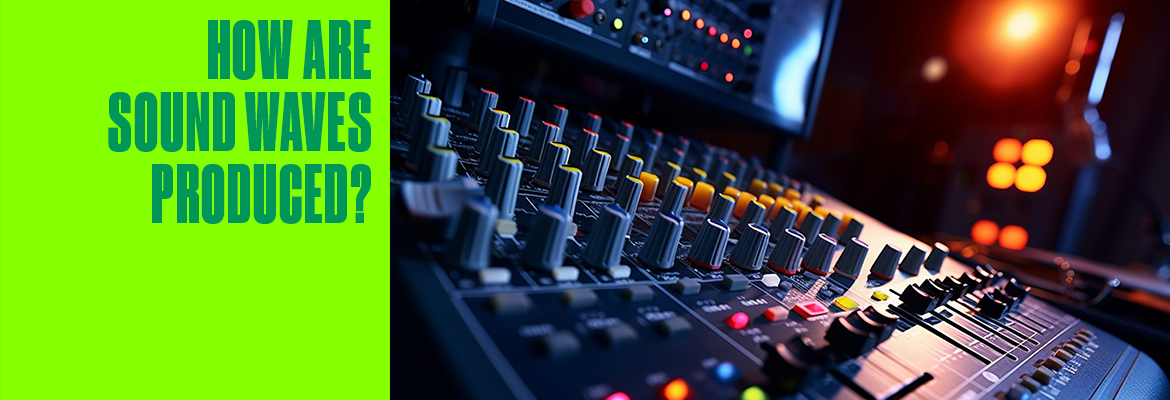
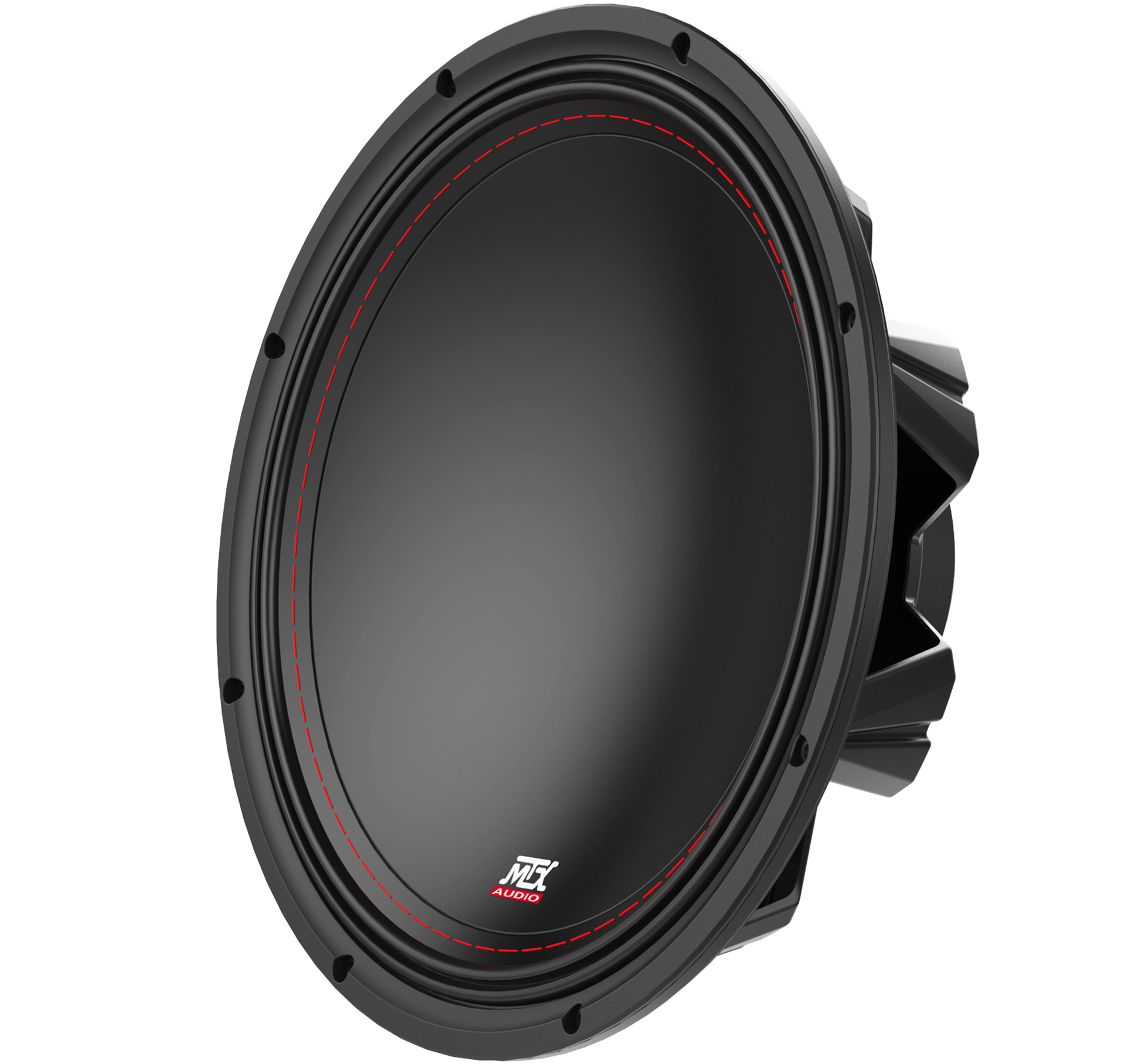
The amplifier is the link between the original sound wave produced by the input signal and the frequencies being sent through your system to your speakers and subwoofers. Sound waves are produced when the speaker's cone vibrates in response to the amplified electrical signal. That cone movement pushes and pulls on the air in front of it, creating the pressure waves that travel to your ears.

When you turn up the volume on your favorite song, the amplified signal increases in amplitude. This increases the rate at which the cone moves and how forcefully it displaces air, resulting in louder sound waves and greater impact on your eardrums.

Frequency vs. amplitude Frequency determines the pitch of a sound — how high or low it is. Amplitude determines the volume — how loud it is. A deep bass note is a low-frequency, high-amplitude wave. A quiet high note is a high-frequency, low-amplitude wave. Your amplifier controls amplitude; your crossover and EQ shape frequency response.

Why Component Quality Matters

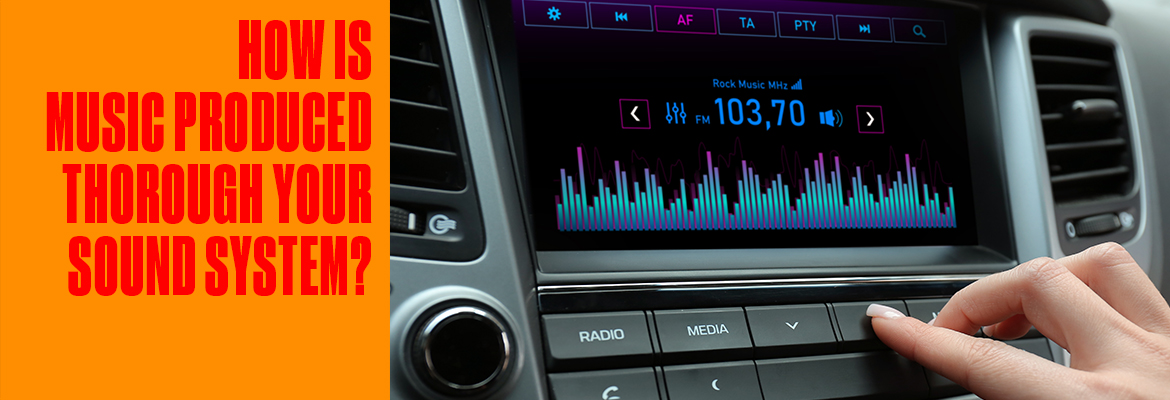
How music is produced through your sound system

Power output, loudspeaker sensitivity, and component quality all determine how much bass response, volume output, clarity, and tonal accuracy your system produces. The better the components, the more accurately the final sound waves replicate the original recording.

If you listen to a wide variety of music ranging from deep bass to high-frequency content, a higher quality amplifier delivering clean, high power will maintain clarity across the full frequency range. Low-quality amplifiers introduce distortion at higher power levels, which means the sound waves your speakers produce no longer accurately represent the source signal.

System matching Since sound waves are directed from their source outward, audio systems are engineered so the waves are aimed toward the optimal listening position. In a car, this is why speaker placement, aiming, and enclosure design all affect what you actually hear — not just raw power output.

Frequently Asked Questions

How does sound travel from my phone to my speakers?
The audio file on your phone produces a digital signal that is converted to an analog audio signal and sent to your head unit. The head unit passes that signal at line level to the amplifier. The amplifier boosts the signal to a level strong enough to drive your speakers and subwoofers, which convert that electrical signal into physical cone movement that produces sound waves in the air.
What is line level audio?
Line level is the standard signal strength used to pass audio between components before amplification. It is a low-voltage signal that carries the audio information cleanly but at too low a level to drive speakers directly. The amplifier's job is to take this line level signal and boost it to the level needed to power your speakers.
Why does a better amplifier improve sound quality?
An amplifier's job is to boost the signal from your head unit without adding distortion. A higher quality amplifier handles a wider range of frequencies more accurately, delivers cleaner power at higher output levels, and maintains signal integrity across the full spectrum. This means the sound waves your speakers produce are a more accurate reproduction of the original recording.
What is the difference between frequency and volume in audio?
Frequency determines pitch — how high or low a sound is, measured in Hertz (Hz). Low frequencies are bass; high frequencies are treble. Volume (amplitude) is how loud a sound is, determined by how much the air pressure changes with each wave. You can have a quiet low note or a loud low note — frequency and volume are independent characteristics of any sound.
What are longitudinal sound waves?
Longitudinal waves are waves where the particles of the medium move in the same direction as the wave itself travels. Sound in air is a longitudinal wave — the air molecules compress and expand in the same direction the sound is moving. This is different from transverse waves (like light) where the movement is perpendicular to the direction of travel.
Car Amplifiers
Car Amplifiers
Terminator · Thunder · RTX
Shop now
Car Subwoofers
Car Subwoofers
35, 55 & 75 Series
Shop now
Car Speakers
Car Speakers
Component & coaxial
Shop now
Sub + Amp + Box Packages
Pre-matched · ready to install
View packages